


Once you decide to become a teacher in Texas, one question comes up quickly:
“Which certification program should I choose?”
There isn’t just one path. Texas offers multiple routes into the classroom, and while they all lead to certification, they don’t all feel the same while you’re going through them.
This article explains how alternative certification programs work, how they differ, and how to choose a pathway that fits your situation — not just one that sounds good on paper.
If you want the full certification process first, start with How to Get Your Teaching Certificate in Texas .
What “Alternative Certification” Actually Means in Texas
Alternative certification programs (often called ACPs) are designed for people who already have a bachelor’s degree and want to become teachers without going back through a traditional university education program.
Instead of spending years in coursework before entering the classroom, ACPs allow candidates to complete training while working toward certification requirements.
That doesn’t mean the process is easier. It means the structure is different — more flexible, but also more dependent on individual pacing and preparation.
The Three Main Types of Certification Pathways
While there are many individual programs, most options fall into three broad categories. Understanding these helps you compare programs more effectively.
University-Based Programs
These are traditional education programs offered through colleges and universities.
They typically involve structured coursework, student teaching placements, and a more academic environment. For candidates who prefer a guided, classroom-based experience, this can feel more predictable.
However, they usually require a larger time commitment upfront before entering a full-time teaching role.
Alternative Certification Programs (ACPs)
ACPs are the most common path for career changers.
They allow candidates to move toward certification while preparing for exams and, in many cases, entering the classroom more quickly. Programs vary widely in structure — some are highly supported, while others are more self-directed.
This flexibility is one of the biggest advantages of ACPs, but it also means candidates need to be honest about how much structure they personally need.
CTE Pathways (Experience-Based Certification)
For certain Career and Technical Education (CTE) areas, Texas allows candidates to qualify based on verified work experience rather than a four-year degree.
This pathway is different from both university programs and traditional ACPs, and it’s often the fastest route for candidates with strong industry backgrounds.
If this applies to you, start here: No Degree – ECAP .
What Actually Varies Between Programs
Most programs cover the same core requirements — exams, training, and certification eligibility. What differs is how those pieces are delivered.
Key differences usually include:
- Pacing: Some programs allow faster progression, others follow structured timelines
- Support: Levels of mentorship, coaching, and guidance vary significantly
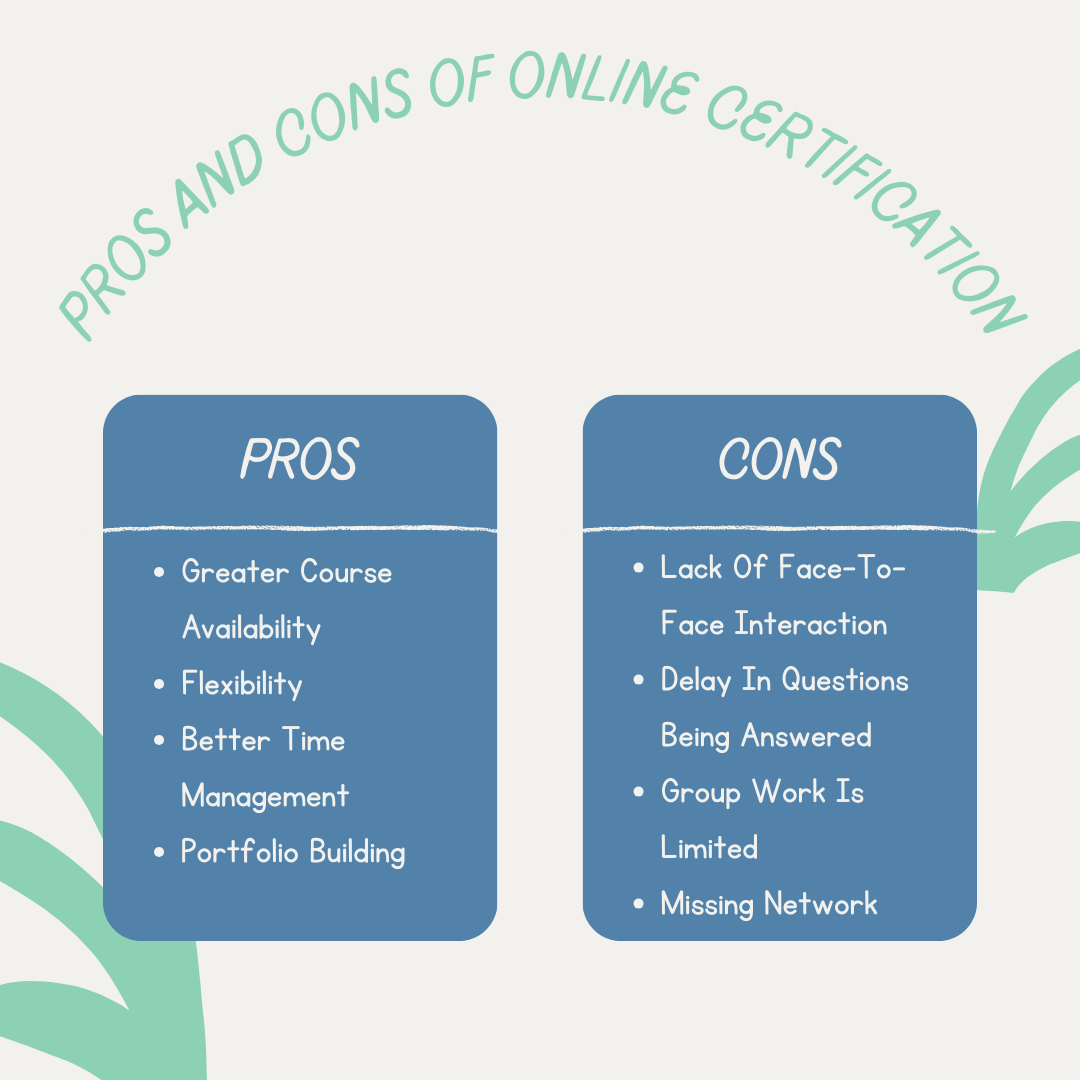
- Format: Online, in-person, or hybrid models
- Expectations: How much is self-directed versus guided
These differences don’t always show up clearly in marketing, but they shape your day-to-day experience.
How to Choose the Right Program (Without Guessing)
Instead of asking which program is “best,” a better question is:
“Which structure fits how I actually work?”
Some candidates do well with flexibility and self-paced learning. Others need consistent structure and accountability.
Choosing the wrong format can make certification feel harder than it needs to be — even if the program itself is legitimate.
Before choosing, consider:
- How much time you can realistically dedicate each week
- Whether you prefer structure or flexibility
- How comfortable you are preparing for exams independently
- How quickly you want to move into the classroom
How Programs Affect Your Timeline
Different programs don’t change the certification requirements, but they do affect how quickly you move through them.
Some candidates progress quickly through flexible programs, while others move faster in structured environments that keep them on pace.
For a realistic look at how long certification can take, see How Long Does It Take to Be a Teacher in Texas .
How Programs Influence Exam Preparation
All candidates must pass certification exams, but how prepared you feel can vary based on the program you choose.
Some programs provide structured exam support and study resources. Others expect candidates to take more ownership of preparation.
To understand the exams themselves, see List of Texas Teacher Certification Tests: What You Must Take to Teach .
Cost Differences Between Programs (Without Overcomplicating It)
Certification programs can vary in cost depending on structure, support level, and delivery format.
However, it’s important to separate program costs from state-required fees like exams and certification applications.
All candidates will encounter the state fees. Program costs are where variation happens.
For a full breakdown of certification-related fees, see Texas Teacher Certification Fees .
Why the “Best Program” Is Usually the One You Finish
Many candidates spend too much time comparing programs and not enough time evaluating themselves.
The most effective program isn’t necessarily the most flexible or the most structured — it’s the one that matches how you operate and helps you complete the process without unnecessary delays.
Certification isn’t just about starting. It’s about finishing.
What This Means for You Moving Forward
Alternative certification programs are simply different paths to the same destination.
The key is choosing a path that aligns with your schedule, your learning style, and your goals — not just one that looks appealing at first glance.
When you’re ready to connect your program choice to the full certification journey, start here: How to Get Your Teaching Certificate in Texas .

