For many law enforcement professionals, retirement comes earlier than it does in most other careers. With many police departments offering full retirement eligibility after 20 to 25 years of service, officers who start in their early 20s may find themselves eligible to retire in their late 40s or early 50s.
While that milestone is well earned, it often arrives with an unexpected question: What’s next?
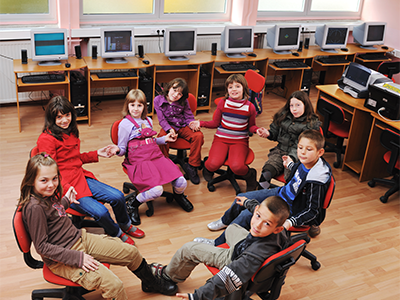
For officers who still want purpose, structure, and the opportunity to make a difference, teaching can be a natural and rewarding second career. Whether in middle schools, high schools, or career and technical education programs, former police officers bring valuable real-world experience, leadership, and life skills into the classroom — qualities that today’s students need more than ever.
Why Many Officers Aren’t Ready to Fully Retire
Law enforcement is demanding work, but it’s also deeply tied to identity. After decades of service, many officers aren’t ready to step away from meaningful work entirely. Financial considerations, a desire to stay active, or simply the need for a sense of purpose often lead retirees to explore second careers.
Teaching offers a unique balance: a structured schedule, strong benefits, and the chance to continue serving the community — just in a different way. For officers accustomed to teamwork, responsibility, and problem-solving, the classroom can feel like a familiar environment with a new mission.
Skills From Law Enforcement That Translate Seamlessly to Teaching
Police officers develop a skill set over the course of their careers that aligns surprisingly well with the demands of teaching. While the environments may differ, the core competencies often overlap.
Classroom management and authority
Officers are trained to maintain order, set boundaries, and respond calmly under pressure. These skills translate directly to managing a classroom, establishing expectations, and creating a safe, respectful learning environment.
Communication and conflict resolution
Clear communication is essential in both policing and education. Officers routinely explain complex information, de-escalate tense situations, and work with individuals from all backgrounds — abilities that are invaluable when working with students, parents, and colleagues.
Leadership and mentorship
Many officers spend years mentoring younger colleagues, leading teams, or training recruits. In teaching, that same leadership becomes guidance for students, helping them develop discipline, accountability, and confidence.
Real-world experience
Students often engage more deeply when lessons connect to real life. Former officers can bring practical examples into subjects like government, criminal justice, history, social studies, or even career readiness courses, making learning more relevant and impactful.
Adaptability and resilience
Law enforcement professionals are accustomed to thinking on their feet and adjusting to rapidly changing situations. Those traits help teachers navigate diverse classrooms, varying learning needs, and unexpected challenges.
Teaching Roles That May Be a Strong Fit
Former police officers often find success in transitioning from law enforcement to middle and high school settings, particularly in subjects such as:
- Government or civics
- History or social studies
- Criminal justice or law enforcement pathways
- Career and technical education (CTE) programs
- Coaching or student mentoring roles
Some also gravitate toward alternative education programs or schools focused on workforce readiness, where real-world experience is especially valued.
How to Become a Certified Teacher in Texas
Texas makes the transition into teaching accessible for professionals coming from non-traditional backgrounds, including law enforcement. The state offers educator preparation programs (EPPs) designed specifically to help individuals earn teaching certification while receiving training, support, and classroom experience.
Basic requirements
To become a certified teacher in Texas, you must obtain a Texas teacher certification. To enroll in an educator preparation program, you need a bachelor’s degree. However, for individuals with a background in criminal justice or related experience, professional experience may help fulfill certain enrollment requirements.
Training timeline
One of the most appealing aspects for career changers is the timeline. It typically takes just 4 to 6 months to complete an educator preparation program. In Texas, this includes 300 hours of training, covering instructional strategies, classroom management, and educational standards.
Of those 300 hours, 30 hours must be dedicated to classroom observation or student teaching, where candidates work directly with students under the guidance of a teacher advisor. In some cases, Texas Administrative Code allows prior degrees, military service, paid work experience, or specific training to count toward required hours, making the process even more streamlined for experienced professionals.
Certification exams
In addition to completing an educator preparation program, candidates must pass the appropriate certification exams. These typically include:
- A content exam for the subject or grade level you plan to teach
- The PPR (Pedagogy and Professional Responsibilities) exam, which assesses teaching practices, ethics, and classroom decision-making
Preparation programs often provide resources and guidance to help candidates succeed on these exams.
A Second Career With Lasting Impact
For retired or retiring police officers, teaching offers more than just another job — it’s a continuation of service. Educators shape future citizens, influence young lives, and help build stronger communities, just as law enforcement officers do in different ways.
If you’re retiring from the police force but aren’t ready to step away from meaningful work, teaching may be the next chapter that allows you to use your experience, leadership, and passion for service in a powerful new setting. With accessible certification pathways in Texas and a strong demand for dedicated educators, the transition from patrol to classroom may be closer than you think.